[Avens: The Genus Geum East of the Cascade
Mountains of Oregon and Washington]
Old Man's Whiskers, Prairie Smoke, Red Avens
Geum triflorum var. ciliatum
Synonyms: Erythrocoma ciliata, Geum canescens, Geum ciliatum, Geum triflorum var. canescens, Sieversia canescens, Sieversia ciliata
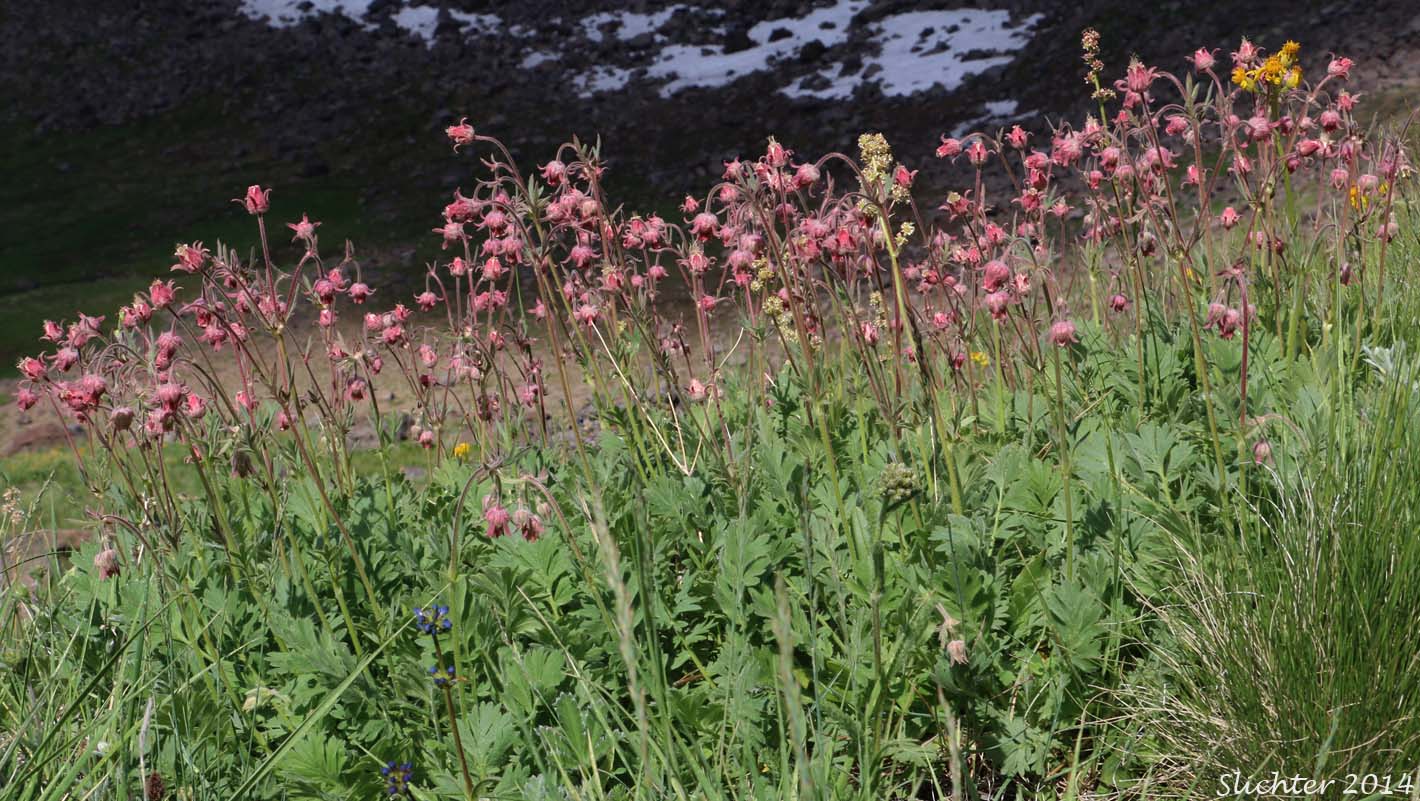
Old man's whiskers blooming enmasse along the upper half of the trail from the Steens Mountain summit down to Wildhorse Lake, Harney County, Oregon.......July 10, 2014.
 The photo at right shows Geum triflorum var. ciliatum as seen at Winter Ridge, Fremont N.F..........May
26, 1996.
The photo at right shows Geum triflorum var. ciliatum as seen at Winter Ridge, Fremont N.F..........May
26, 1996.
Characteristics:
Prairie smoke is a perennial, often to 30 cm broad, consisting
primarily of basal leaves which are compound-pinnate. The blades are from 5-18
cm long and the numerous leaflets are parted or dissected. The blades are covered
with long, grayish hairs. The flowering stems are reddish and may be up to 40
cm tall, with a pair of reduced leaves at midstem.
The flowers are terminal, with one to nine flowers in a cyme.
The calyx is reddish-purple to pink or yellow in color. The 5 petals are light
yellow, white, pink, or red-purple tinged. When in bloom, the flowers nod or
arch downward. As the fruits mature, the flower becomes erect. The fruits are
elongate, feathery achenes.
Prairie smoke is a great addition to the grassland garden and should be readily available at many native plant nurseries.
Importance:
Native Americans boiled the roots to make a tea. The plant is
an interesting perennial for the rock garden or prairie garden.
Habitat:
Prairie smoke is found in moist sagebrush plains and foothills,
to subalpine ridges and talus slopes.
Range:
Old man's whiskers may be found on the eastern side of the Cascades
from British Columbia south to the Sierra Nevada. It is found eastward to Newfoundland,
and south to New York, Illinois, Nebraska, through the Rockies to New Mexico
and Nevada.
 -
- 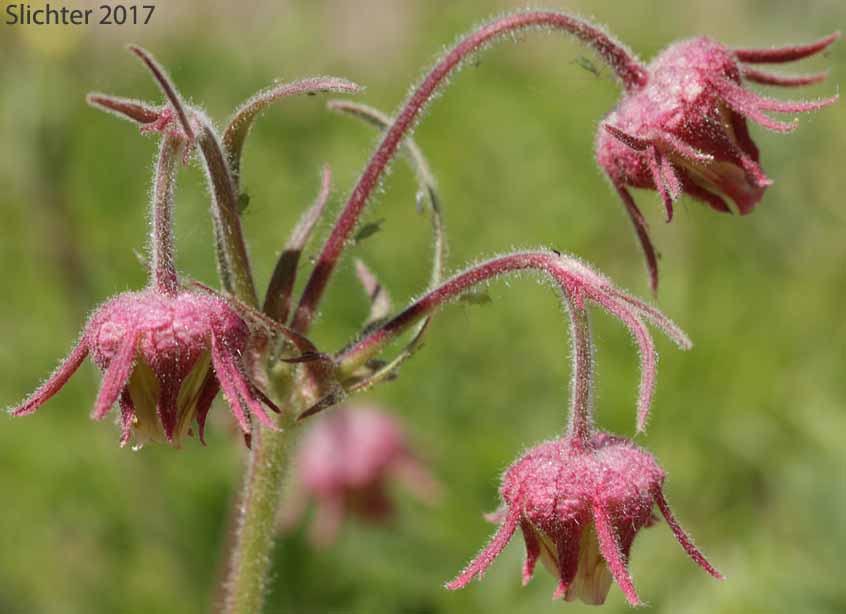
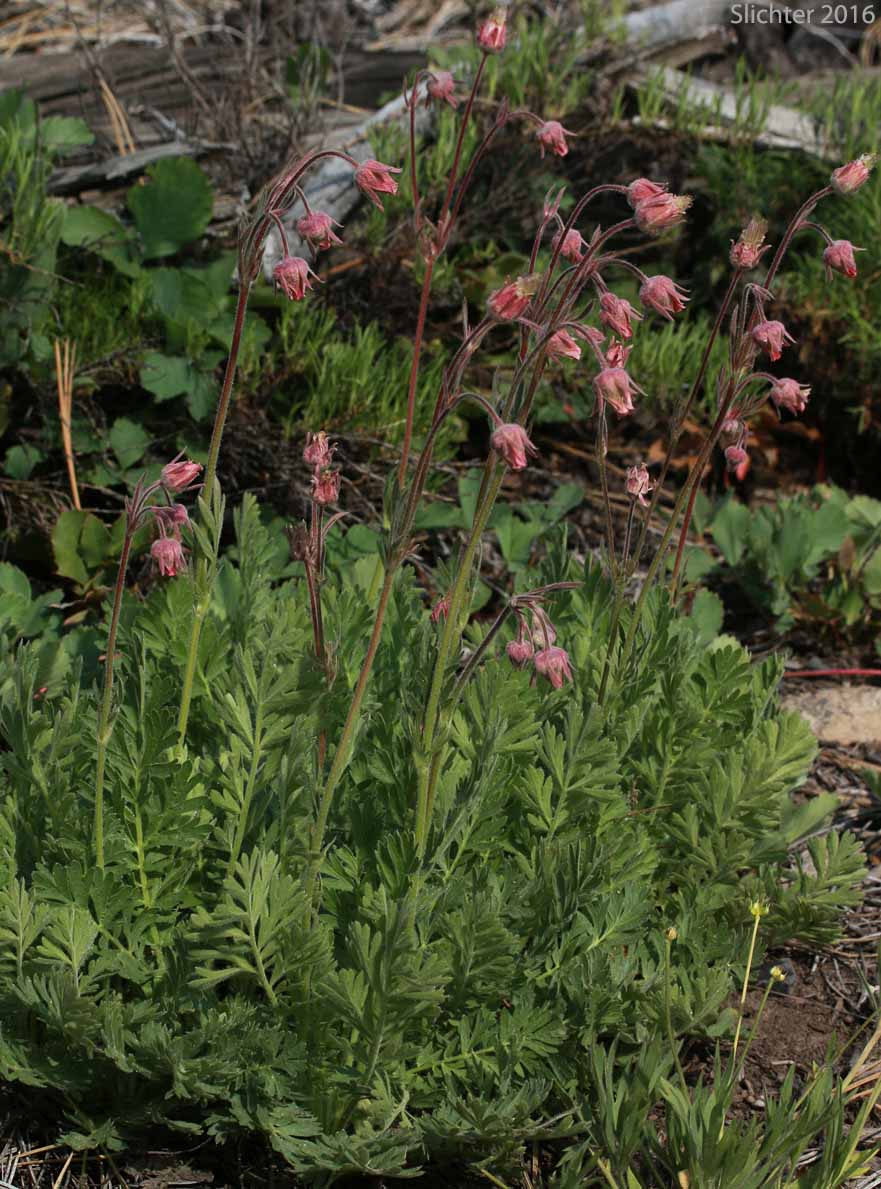
Prairie smoke as seen (left) at the western edge of FS Road #4215 in Antler Prairie, Ochoco National Forest...........May 27, 2016. The photo at right showsthe inflorescence of prairie smoke as seen along the Mother Lode Trail #808A atop Lookout Mountain, Ochoco National Forest.........June 25, 2017.
 -
- 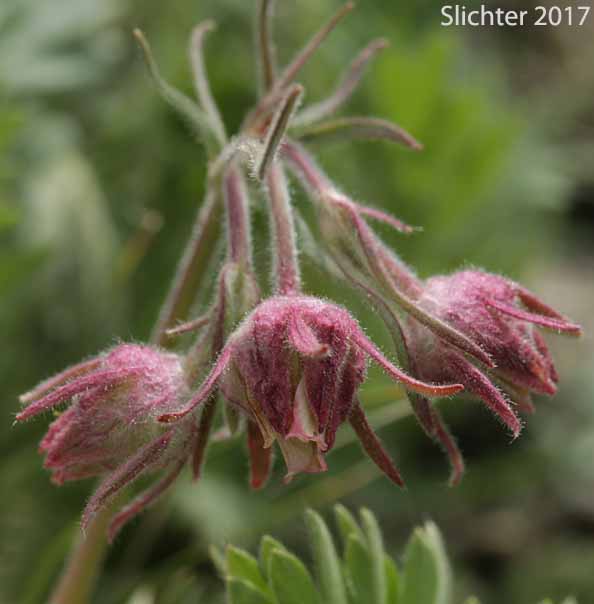
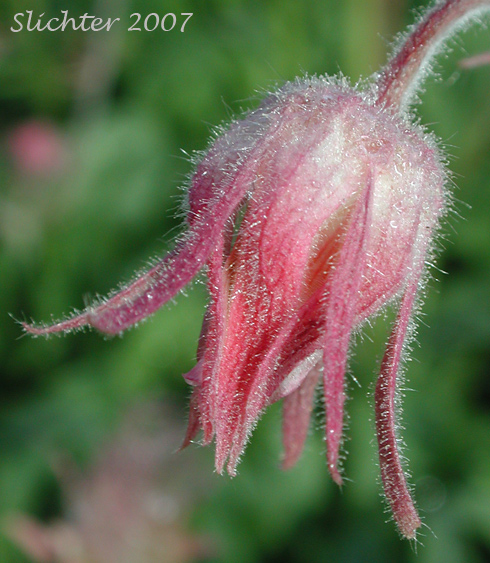
The photo at left shows a close-up of a flower of Geum triflorum var. ciliatum, as photographed at Alder Thicket Campground in the Umatilla National Forest of southeastern Washington.......June 25, 2007. The photo at right shows the inflorescence of prairie smoke as seen in scablandsat the northeast corner of FS Roads 42 and 30, Ochoco National Forest.......May10, 2017.
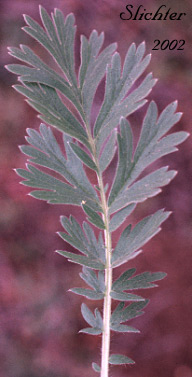
The photo above shows a close-up of a basal leaf of prairie
smoke as photographed on Tygh Valley Ridge just north of Tygh Valley, OR.........May
2000.
 -
-  -
- 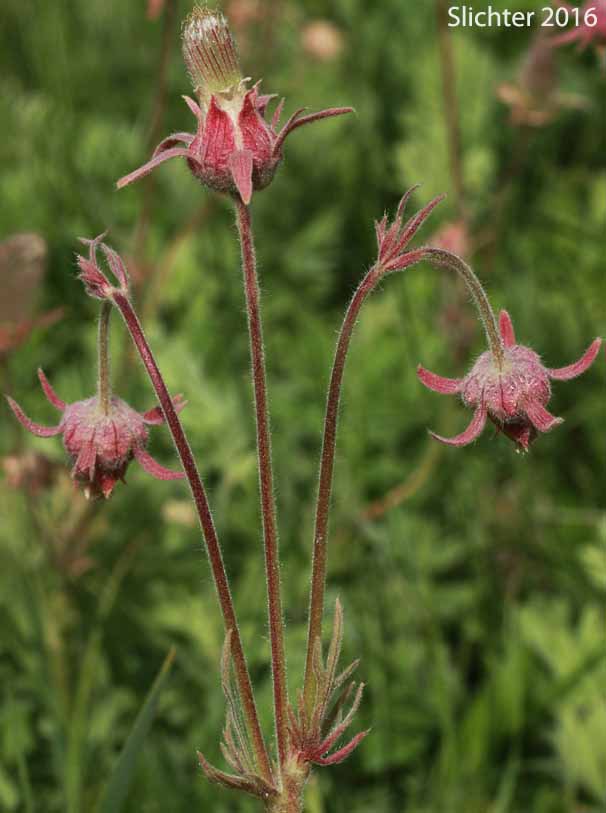
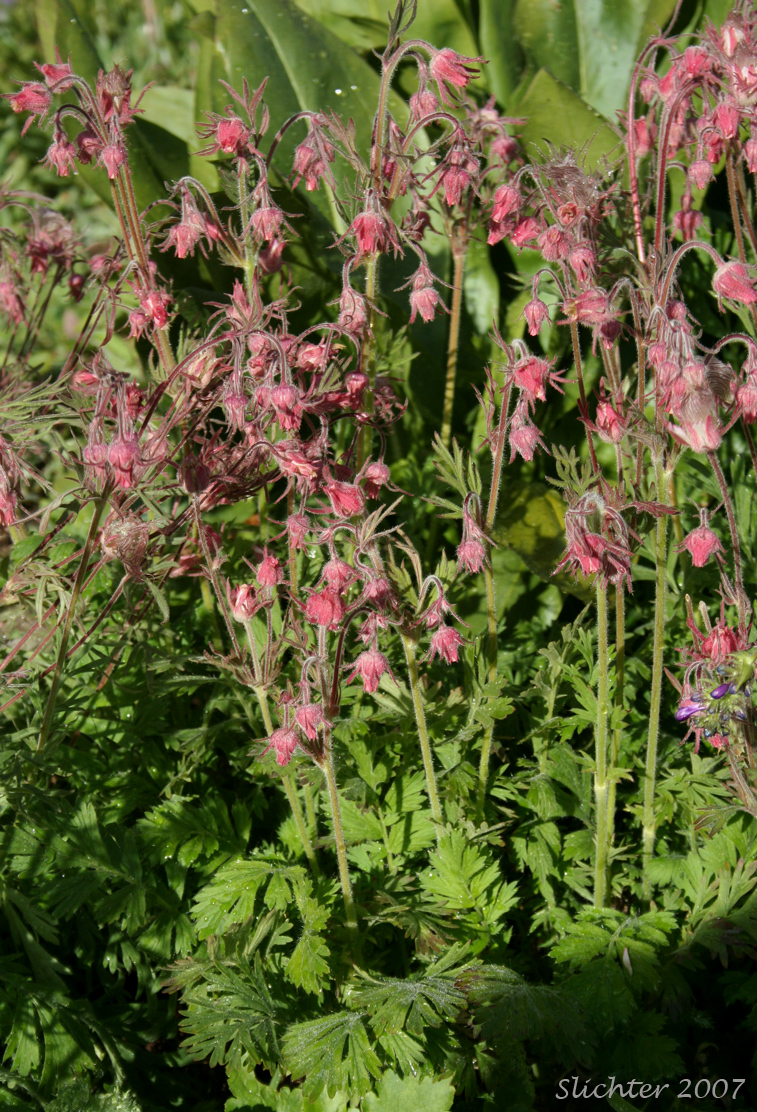
The photo at left shows a nice colorful mass of Geum triflorum var. ciliatum, as photographed at Alder Thicket Campground in the Umatilla National Forest of southeastern Washington...........June 25, 2007. The photos at center and at right show close-up views of the inflorescence and of a flower going to fruit as seen on the east-facing slopes of the Hart Mt. ridgeline west of Hot Springs Campground, Hart Mt. National Antelope Refuge.........June 9, 2016.
 -
-  -
- 
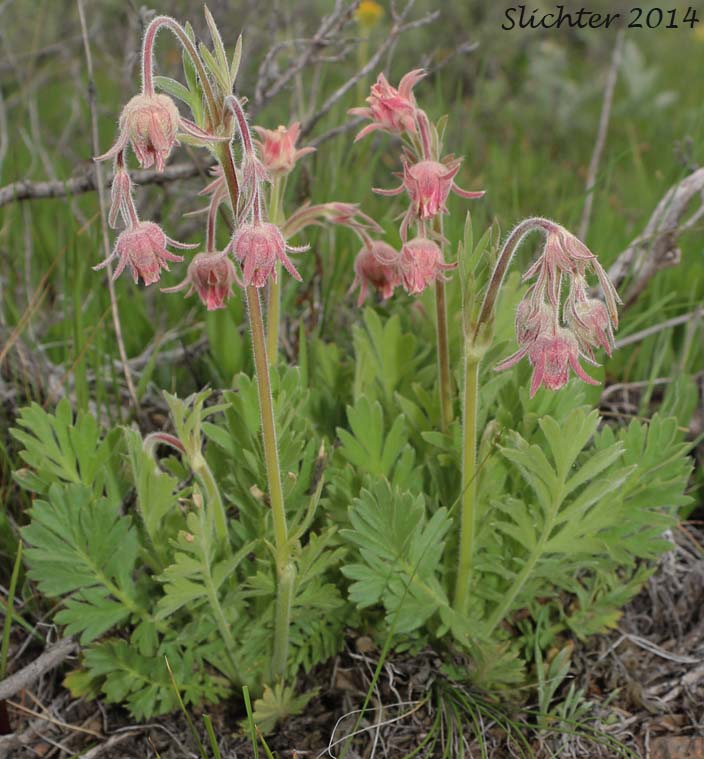
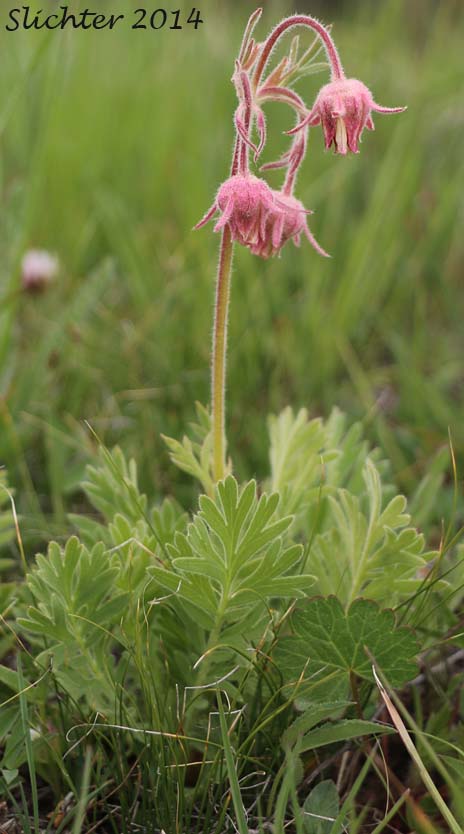
Prairie smoke seen blooming at left and center in Summit Prairie, Malheur National Forest.........May 28, 2014. The photo at right shows prairie smoke forming its wispy seed heads in open forest along Dry Creek about one-half mile upstream to the south of Wenas Creek, Yakima County, WA.......June 3, 2023.
 -
- 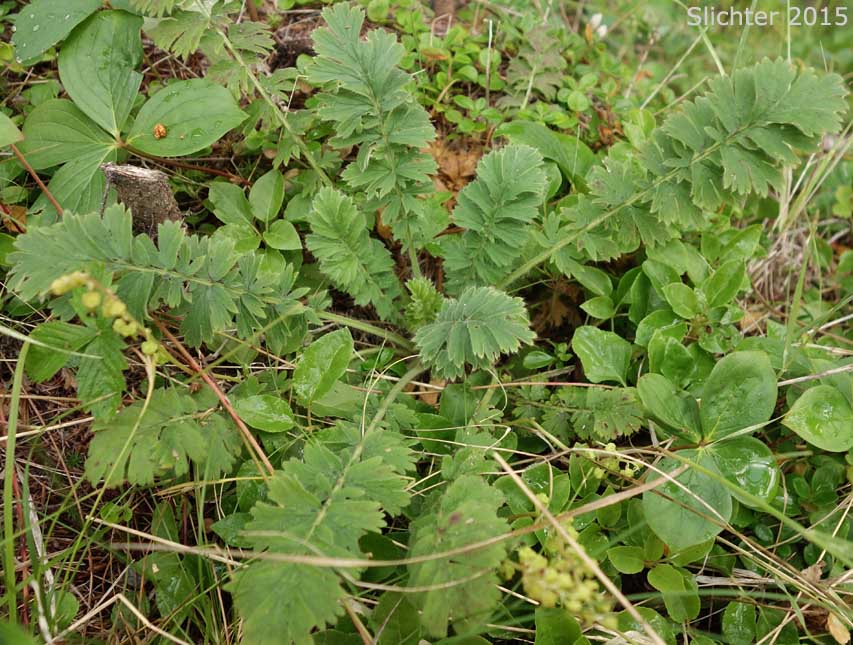
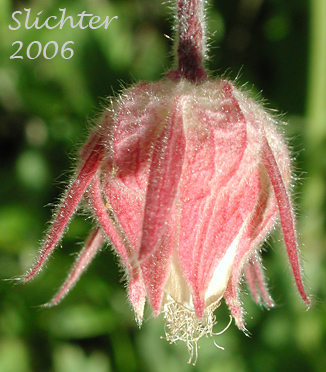
The photo at left shows a close-up of one flower of prairie smoke (var. ciliatum) as photographed along slopes above Wilson Creek in central Washington...........June 22, 2006. The photo at right shows a basal leaf rosette of prairie smoke as seen at the Big Tree Botanical Area about one mile northeast of Lost Lake, Okanogan National Forest.........July 13, 2015.
 -
- 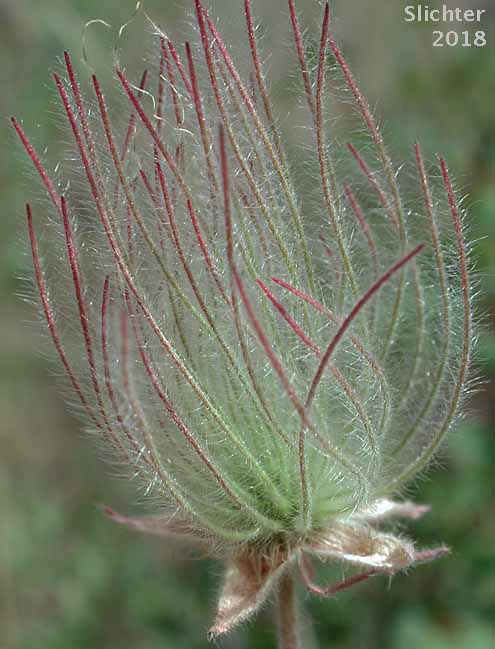
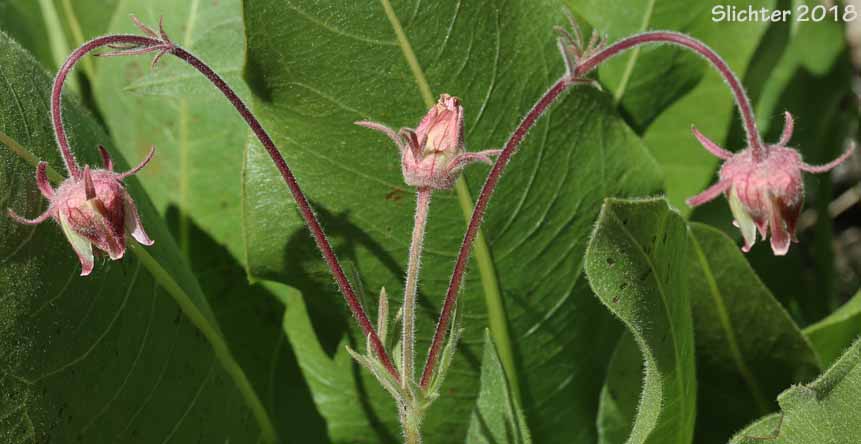
Prairie smoke in bloom at left at the Hells Canyon Overlook, Hells Canyon National Recreation Area......June 11, 2018. The photo at right shows a maturing seed head of prairie smoke as seen along the Stubblefield Trail at Turnbull National Wildlife Refuge......July 4, 2018.
 -
- 
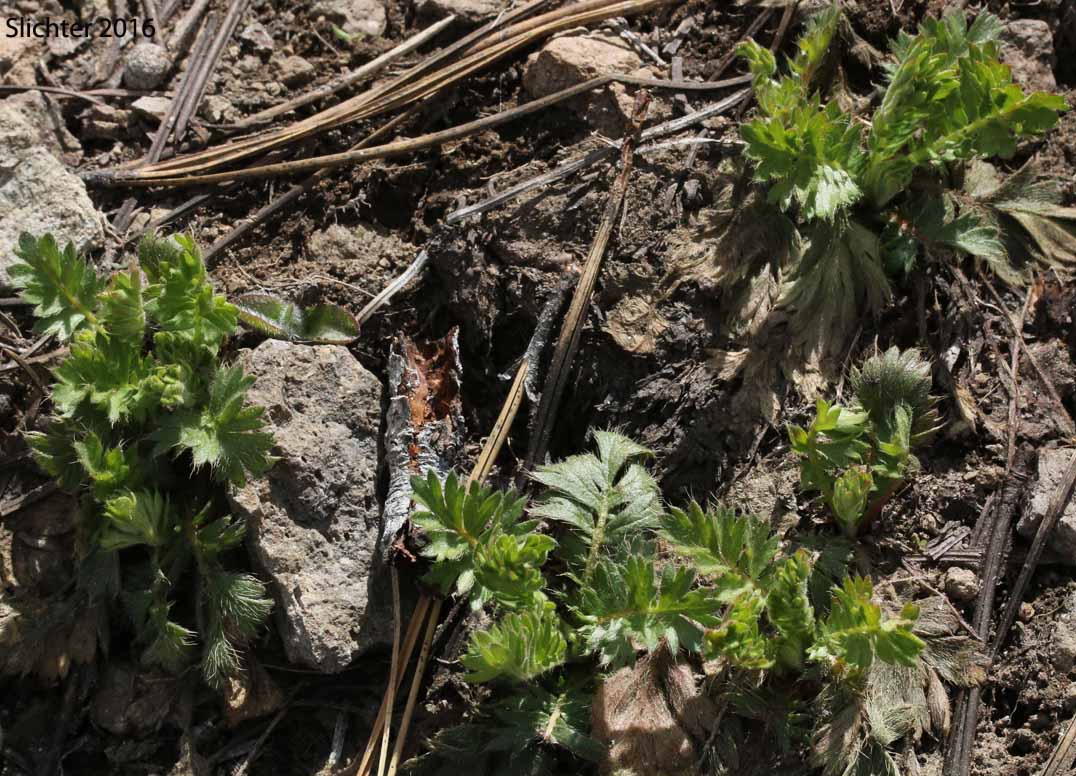
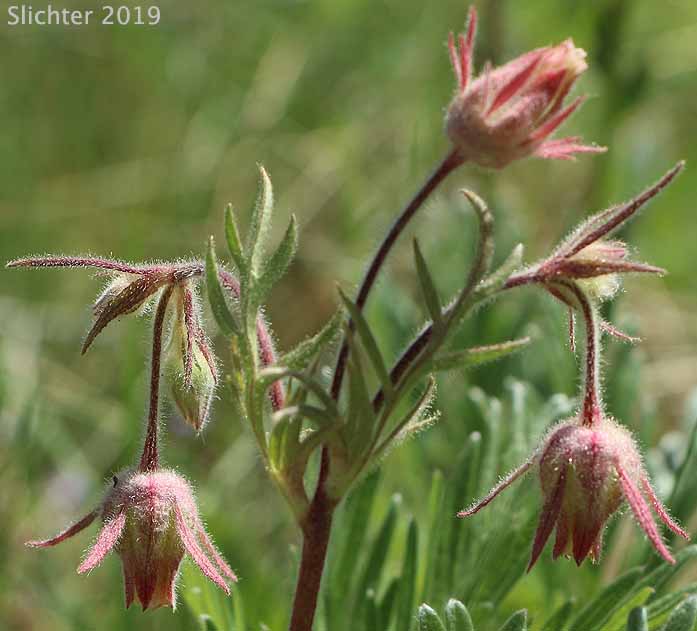
Prairie smoke leaves just emergingt left from the ground on the upper west-facing slopes of Hager Mountain, Fremont National Forest..........May 19, 2016. The photo at right shows the inflorescence of prairie smoke as seen from vernally moist prairie along Indian Creek a the northwest corner of Big Summit Prairie, Ochoco National Forest.......May 7, 2018.
 -
-  -
- 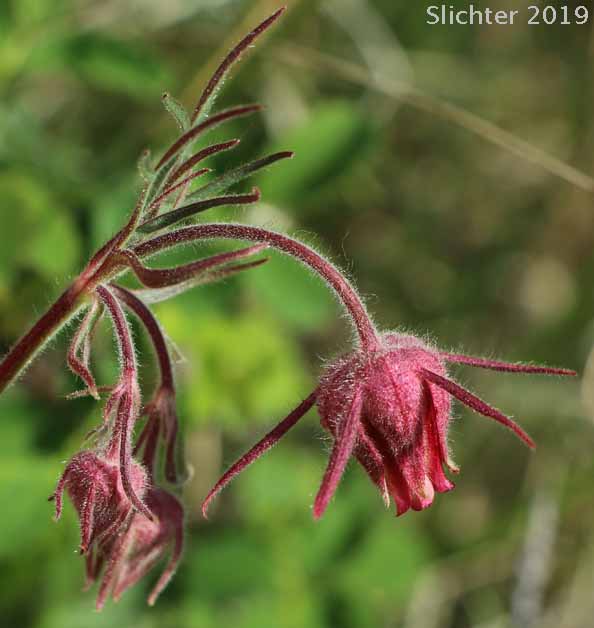
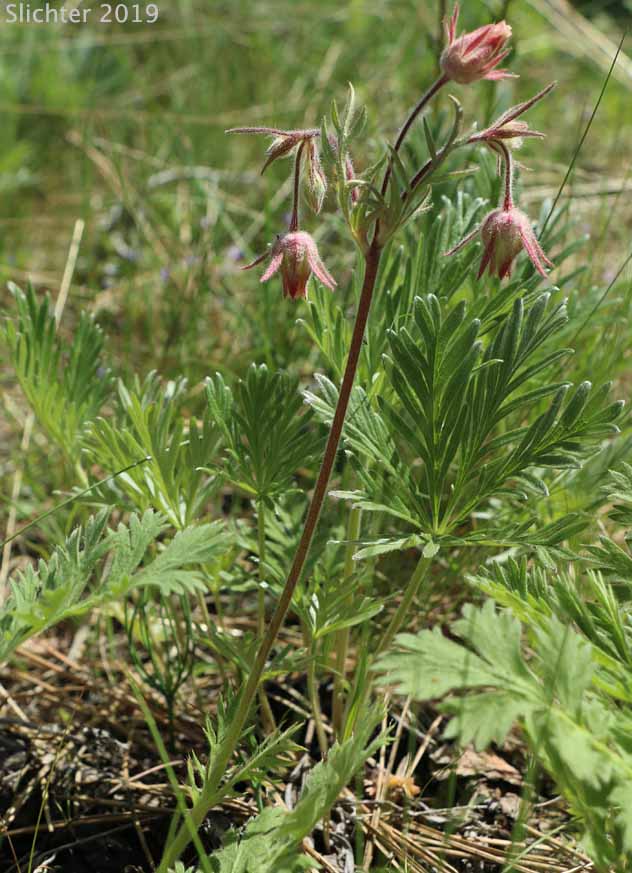
Prairie smoke in bloom (at left and center) along the Stubblefield Trail, Turnbull National Wildlife Refuge......May 8, 2019. The photo at right shows prairie smoke in bloom along What Road on DNR lands between the Wenas and Oak Creek Wildlife Areas, Yakima County, WA......May 24, 2019.
 -
-  -
- 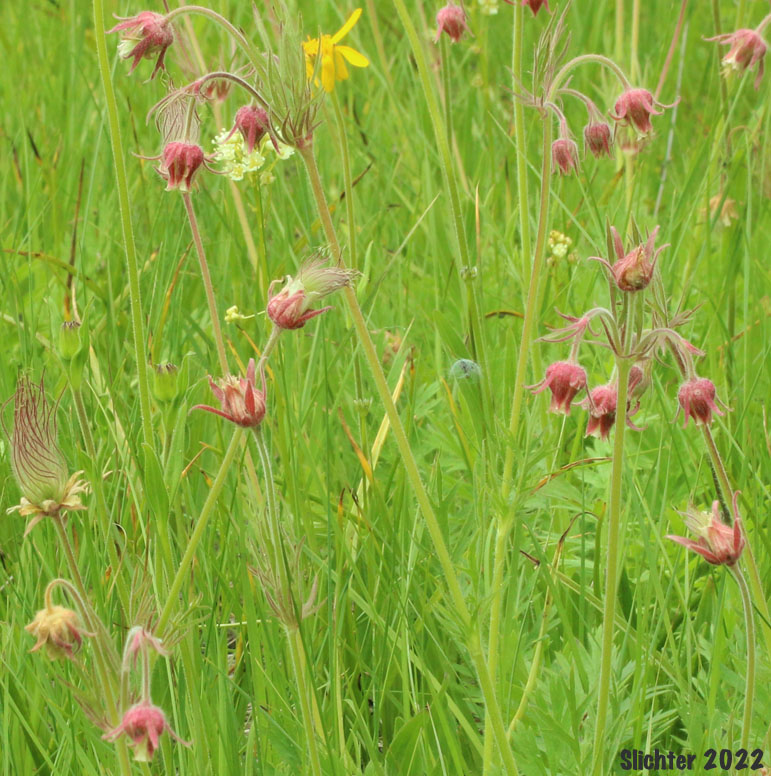
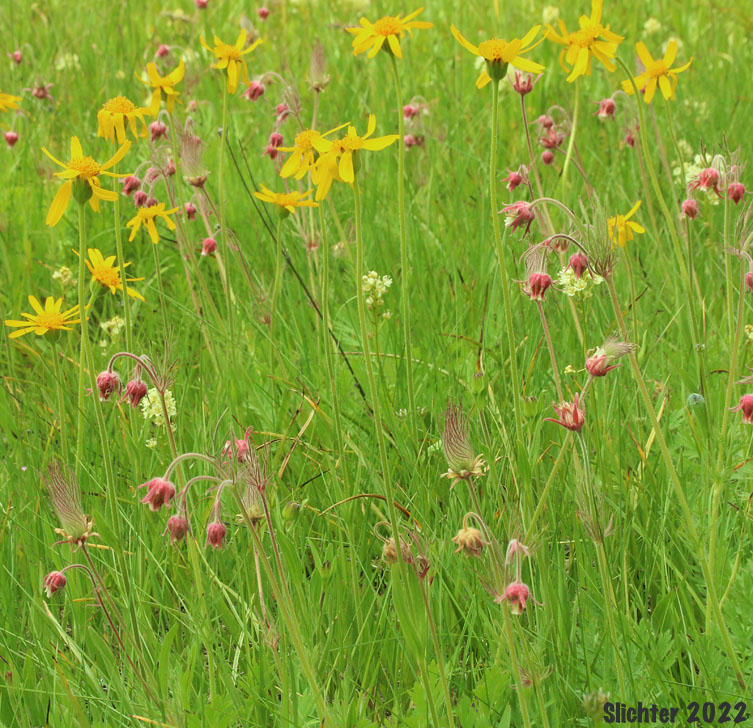
Prairie smoke blooming in wet meadows along a vernal stream along Box Canyon Road about half a mile west of Box Canyon, Simcoe Mountains Unit of the Klickitat Wildlife Area.....June 15, 2022.
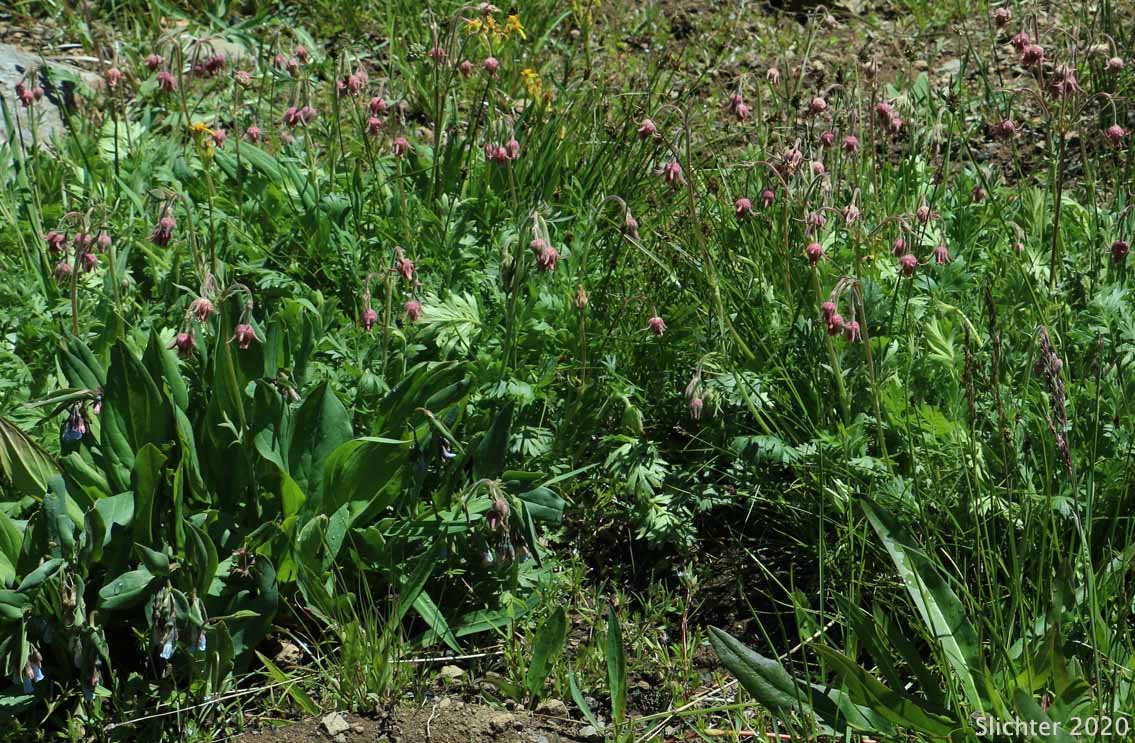
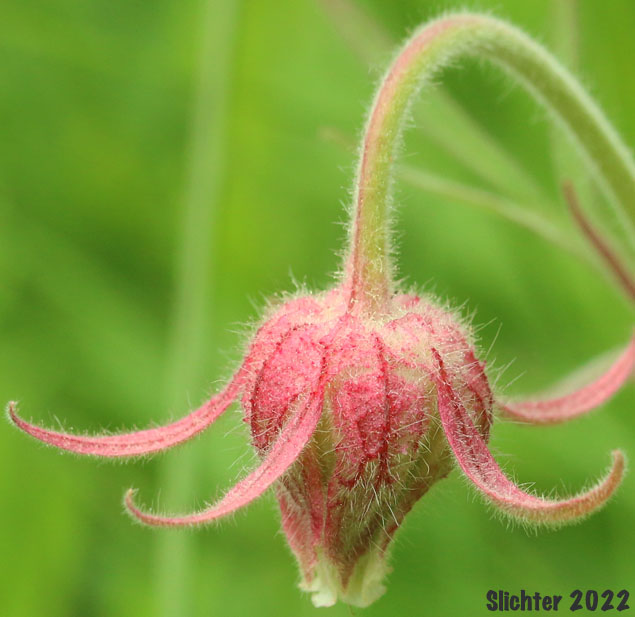
Prairie smoke observed along the Hanan Trail #142, Fremont-Winema National Forest.......June 17, 2020.
Paul Slichter