[The Iris Family East of the Cascade Mts. of Oregon and Washington]
Grass Widow, Grass Widows, Inflated Purple-eyed Grass, Purple-eyed Grass
Olsynium douglasii var. inflatum
Synonyms: Olsynium inflatum, Sisyrinchium douglasii var. inflatum Sisyrinchium inflatum
 -
- 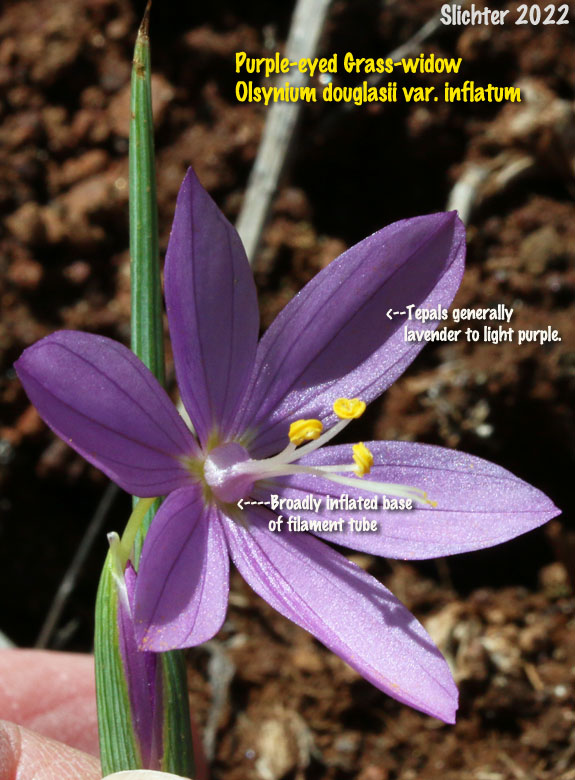
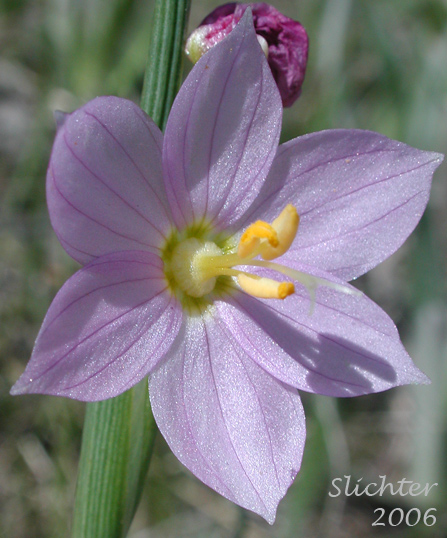
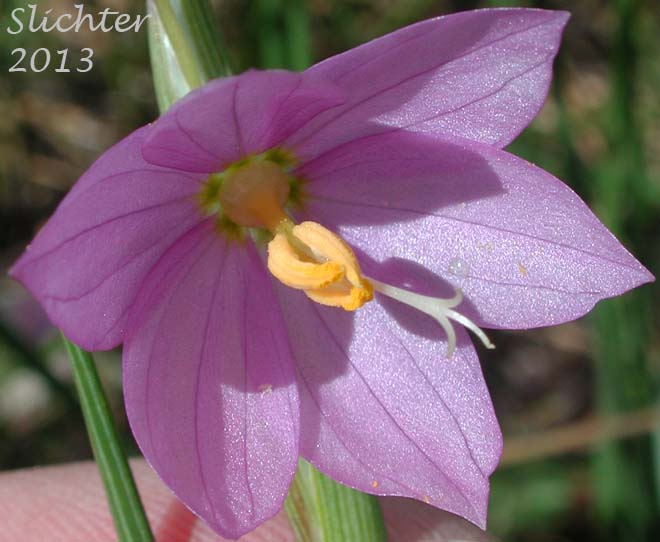
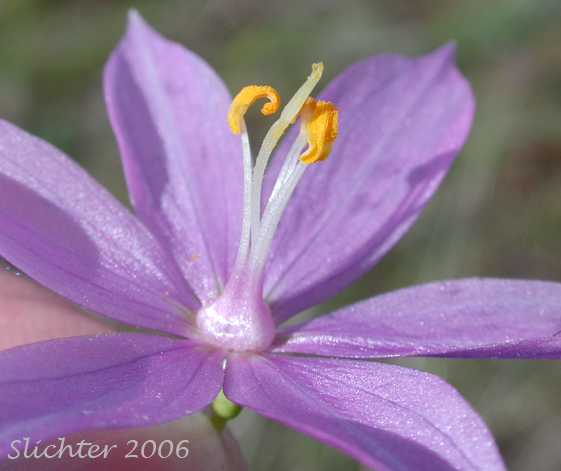
The photo at left shows a close-up view of the corolla of grass widow as seen from atop Steptoe Butte in the Palouse country of eastern Washington..........May 1, 2006. Note the inflated base to the filament tube, a diagnostic characteristic of this species. The photo at right shows the inflated base of the filament tube in a flower of inflated grass widow spotted along a jeep road near the boundary betwee BLM and Simcoe Mountains Unit of the Klickitat
Wildlife Area lands about one mile SE of the Box Canyon Road trailhead........April 1, 2022.
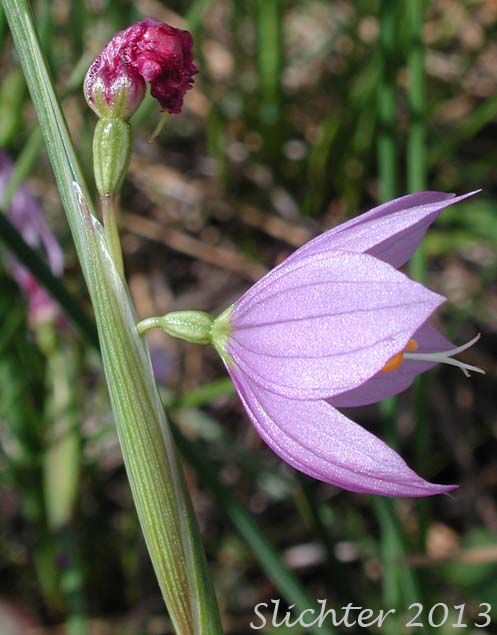
 The photo
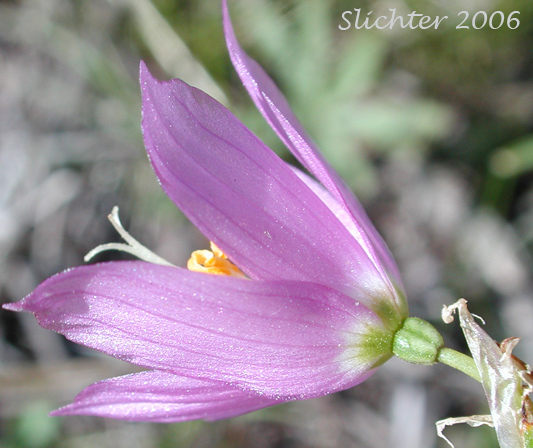
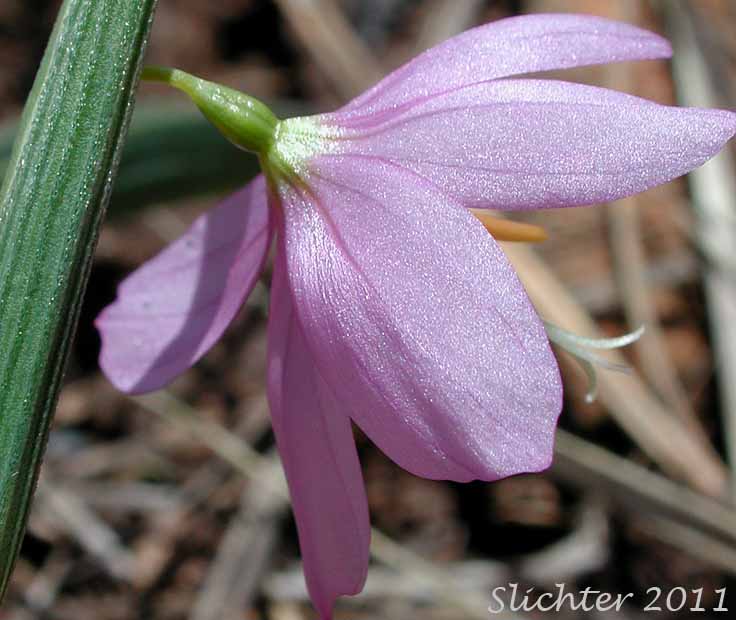
at right shows a close-up sideview of the corolla of grass widow as seen from atop Steptoe Butte in the Palouse country of eastern Washington.........May 1, 2006. Note the whitish, 3-lobed stigma.
The photo
at right shows a close-up sideview of the corolla of grass widow as seen from atop Steptoe Butte in the Palouse country of eastern Washington.........May 1, 2006. Note the whitish, 3-lobed stigma.
Characteristics:
The USDA Plants Database now recognizes this plant as Olsynium
inflatum.
The grass widows are beautiful early spring wildflowers. Frequently,
they are among the first native flowers to bloom. It forms clusters (up to 6
cm wide) of grass-like leaves which are shorter than the stems. The stems bear
2-4 simple, parallel-veined leaves up to 10 cm long and 1.5-3 mm wide. The 2
bracts of the the terminal spathe which subtend the flowers are unequal in size,
one typically shorter than the flowers and one taller than the flowers.
The flower stems arise from 15-40 cm high, and are topped by
3-4 pale purple, blue, pink or white flowers. The petals are narrow and pointed.
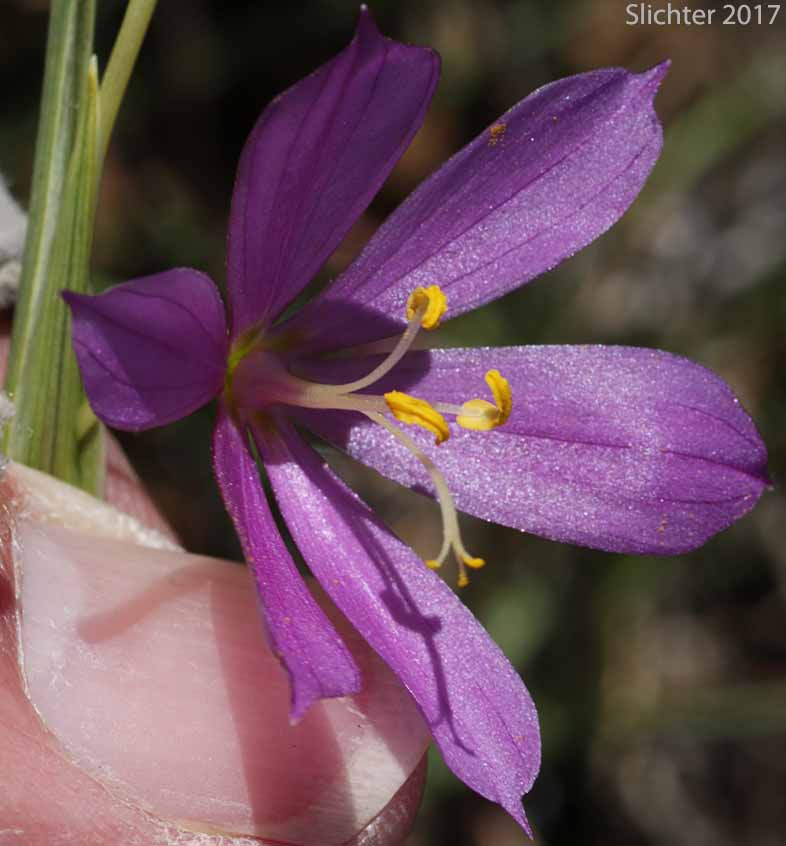
The stamens are yellow and the filament tube is strongly inflated just above
its base (see photos above and below). They differ from their cousin Olsynium
douglasii in having the inflated filament, wide-spreading tepals (See photos.)
and pointed tips to the tepals.
Habitat:
This grass widow is found in dry open areas which are seasonally
wet during the early spring. It may be bound in grassy areas in the sagebrush
or sagebrush-juniper lowlands, within grasslands, and within open areas in the
ponderosa pine forest.
Range:
Olsynium inflatum may be found
on the east side of the Cascade Mts. from south-central British Columbia south
to California, and east to Idaho and northern Utah.
 -
-  -
- 
Grass widows blooming near the summit of Kamiak Butte, Kamiak Butte County Park, Whitman County, Washington..........April 29, 2013.
 -
- 
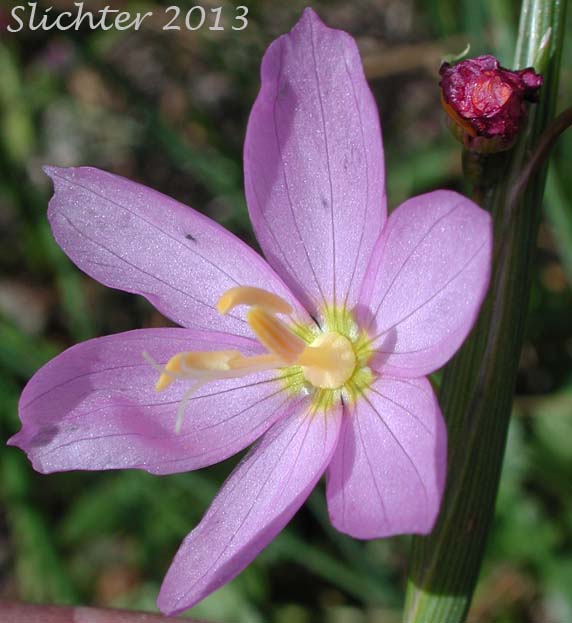
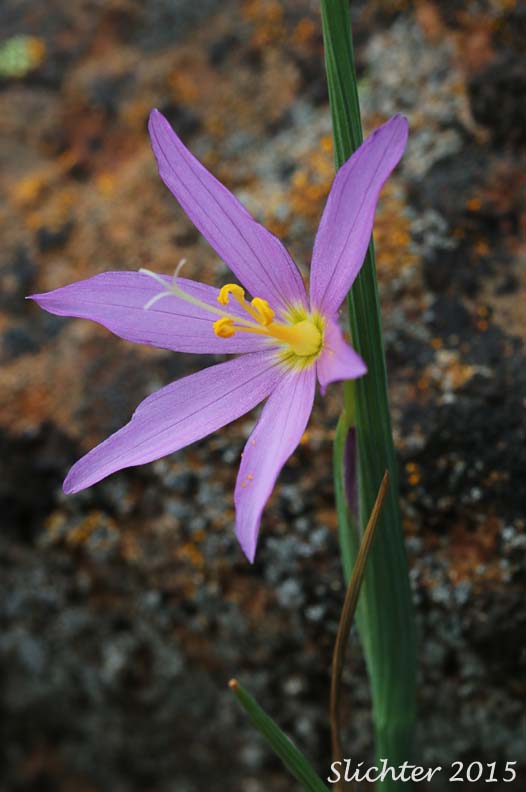
The photo at left shows a close-up of the corolla of grass widow (O. inflatum) as seen from the top of the Dalles Mt. Road in the Columbia Hills, Columbia River Gorge..........April 9, 2006. Note the inflated base to the filament tube in both photos. The photo at right shows a close-up of the flower of grass widow (O. inflatum) as observed on scablands along Forest Road 4240 about a mile south of Lame Dog Creek, Ochoco National Forest.......April 26, 2018.
 -
-  -
- 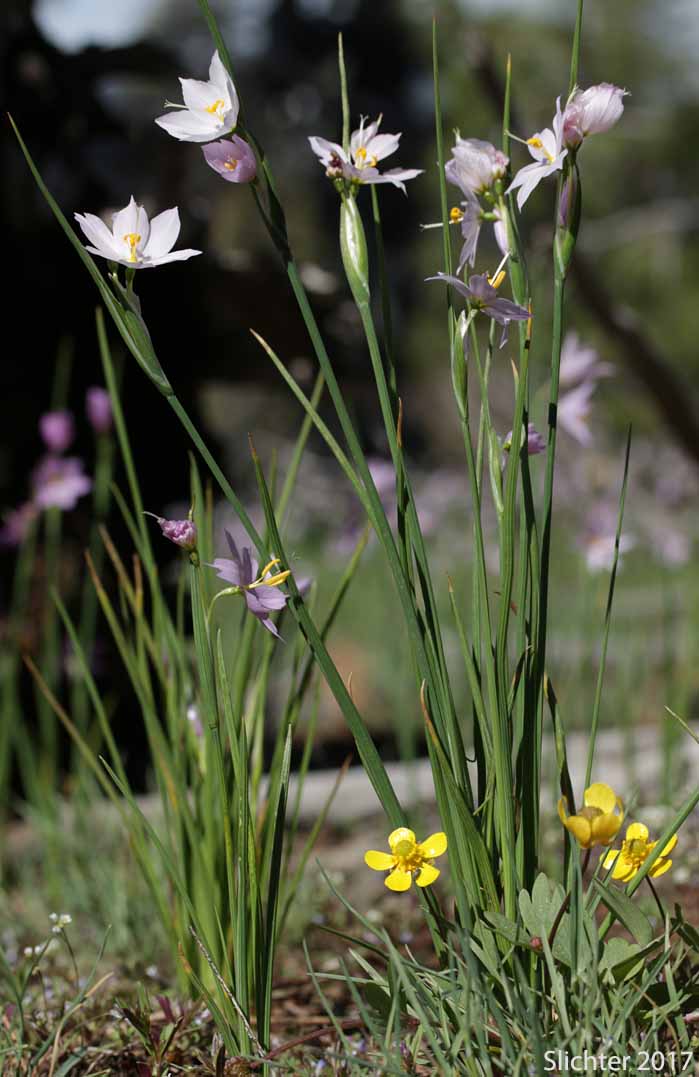
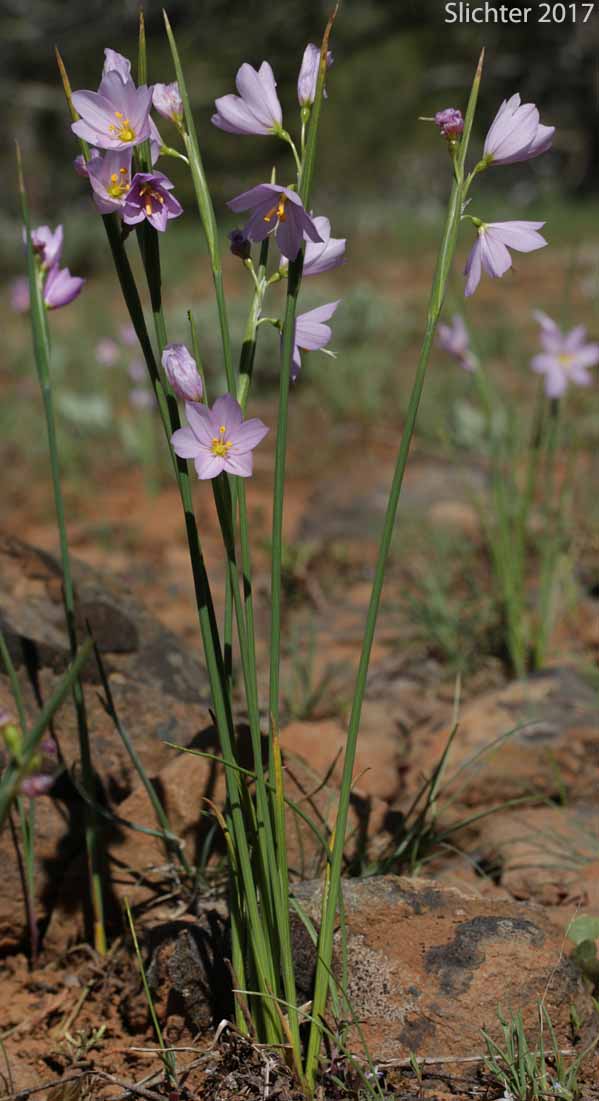
Grass widows as seen in vernally moist scablands with sagebrush buttercups (Ranunculus glaberrimus) just north of the junction of Forest Roads 22 and 4210, Ochoco National Forest.........May 10, 2017. Note some of the individual plants have creamy tepals, unusual for var. inflatum (at least in my experience).
 -
- 
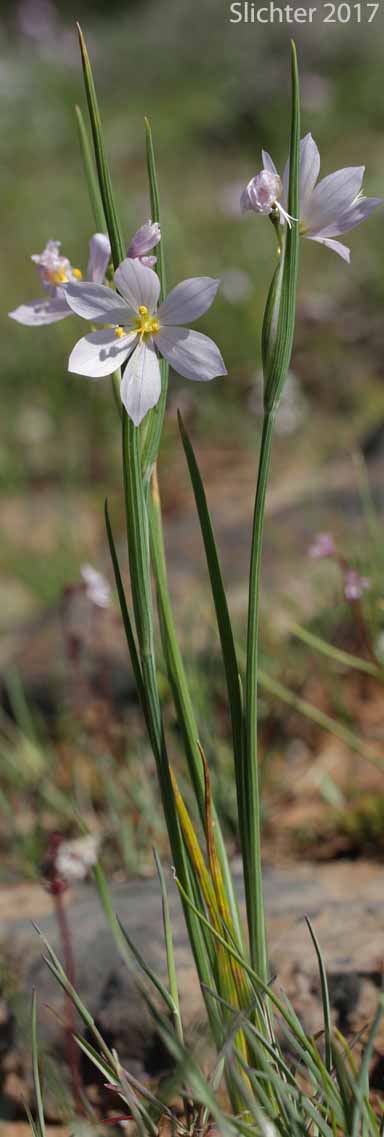
The photo at left shows grass widows (Olsynium inflatum) as seen at Cowiche Canyon, several miles west of Yakima, WA.........March 28, 2007. The photo at right shows a grass widow as seen from along Oregon Highway 218 about one mile south of Shaniko, Oregon........March 10, 2015.
 -
-  -
- 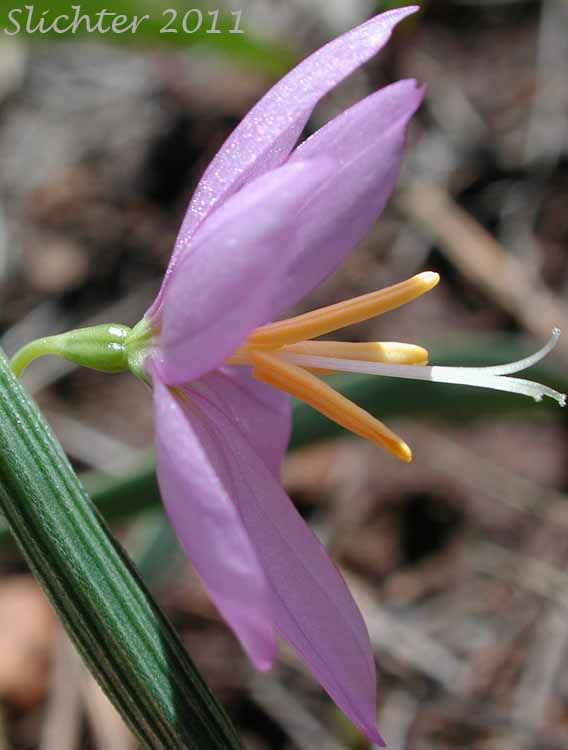
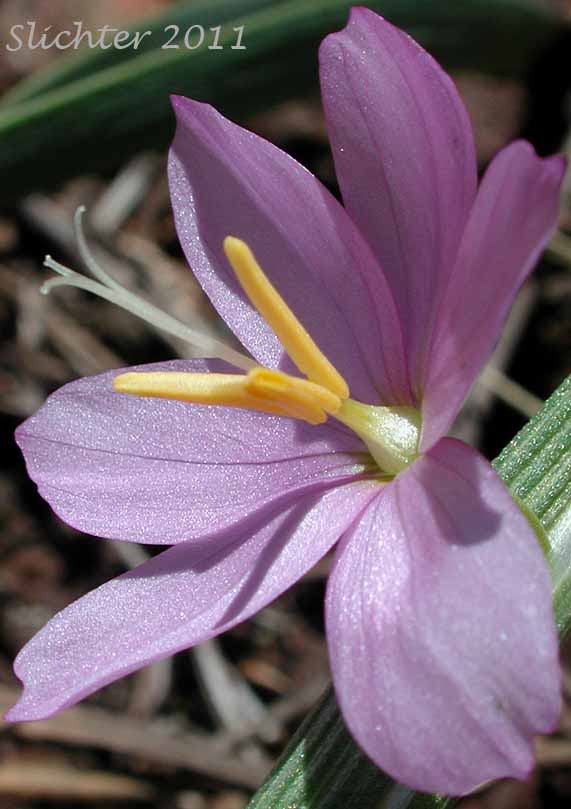
Aditional close-ups of the flowers of grass widows as seen at about 5600' along a spur road of FS Road 5401-811, on the northern approach to Baldy Mountain, Malheur National Forest.........June 3, 2011.
 -
- 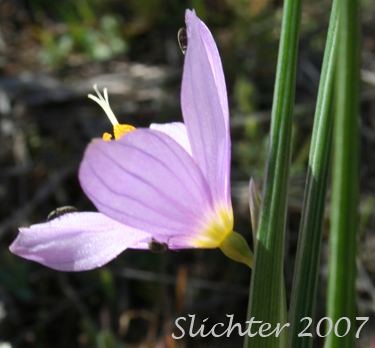
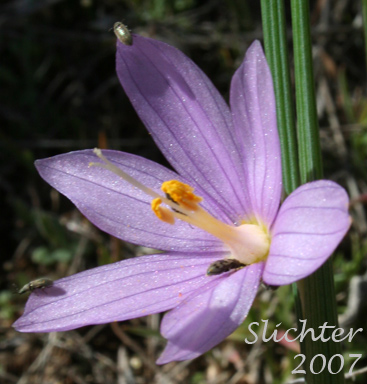
Close-up views ofthe flowers of grass widow as seen at Cowiche Canyon, to the west of Yakima, WA.........March 28, 2007. The inflated base of the filament tube can be seen here.
 -
-  -
- 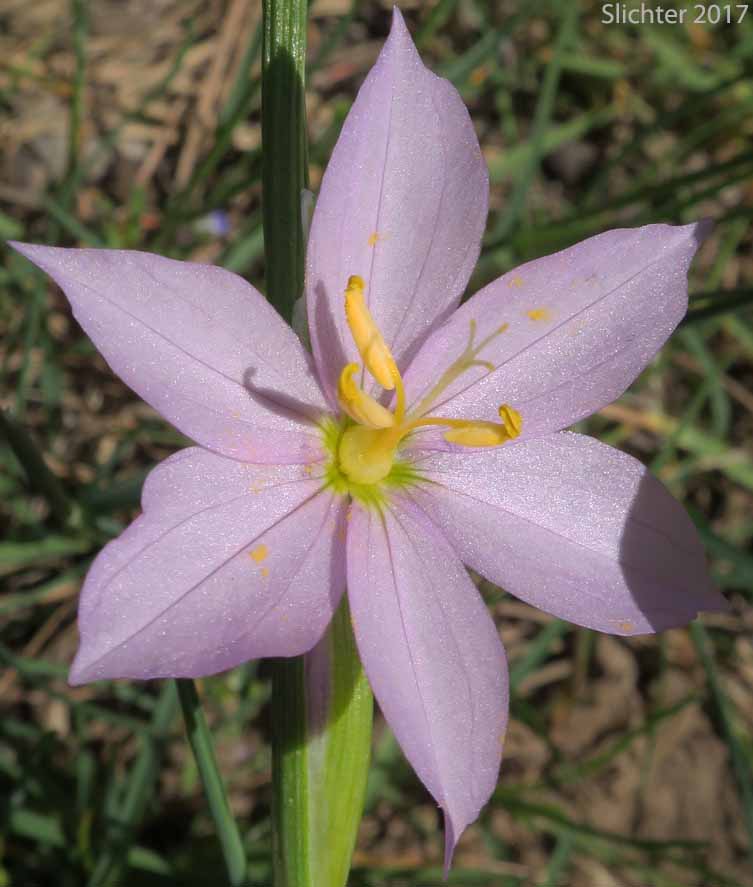
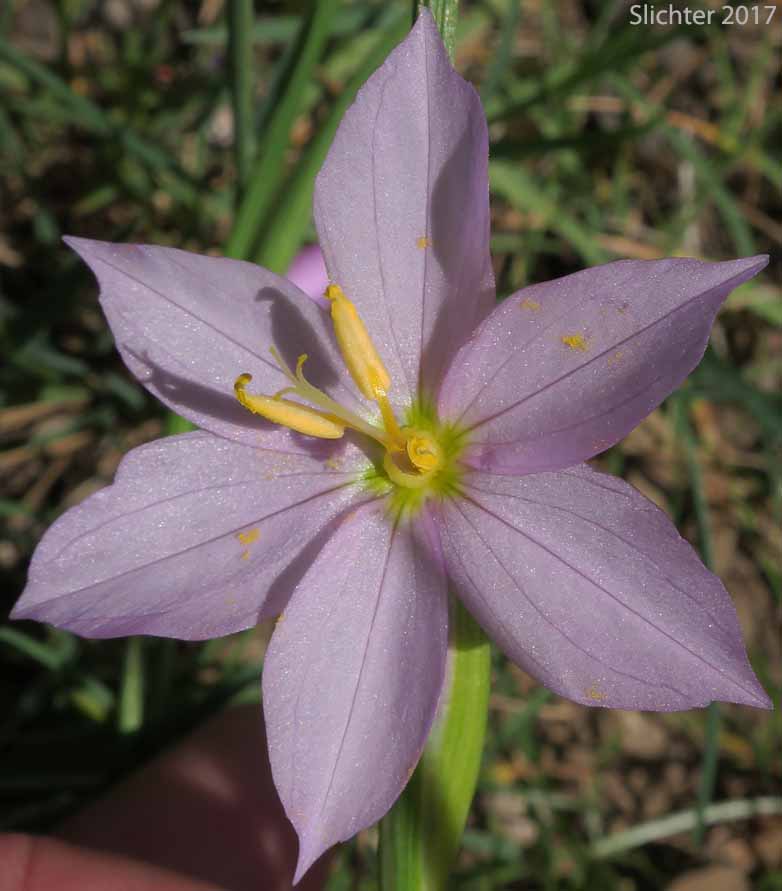
Grass widows as seen along Forest Road 4215 about 1.5 miles south of the junction with Forest Road 42, Ochoco National Forest.........May 9, 2017.
 -
- 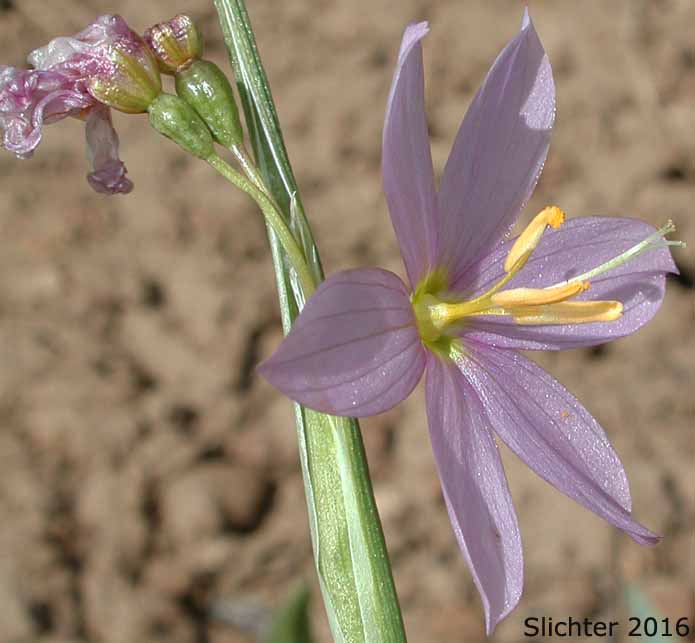
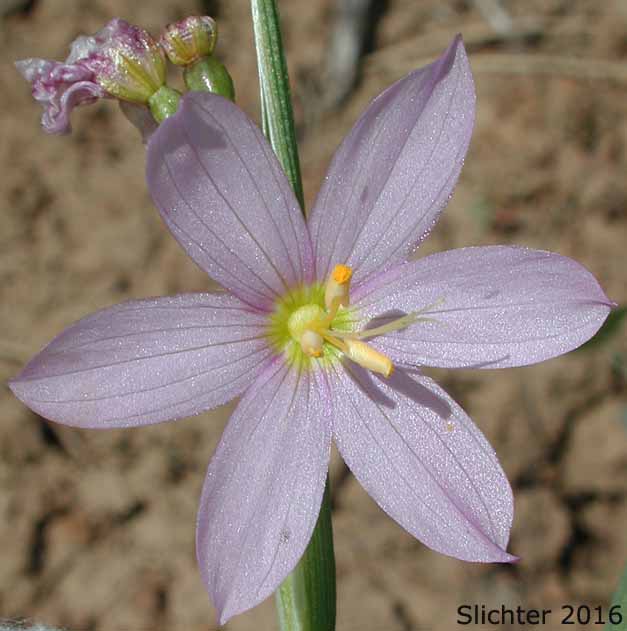
Grass widows seen in
scablands near the junction of FS Roads #42 and #300, Ochoco National Forest and adjacent BLM lands..........April 30, 2016.
 -
- 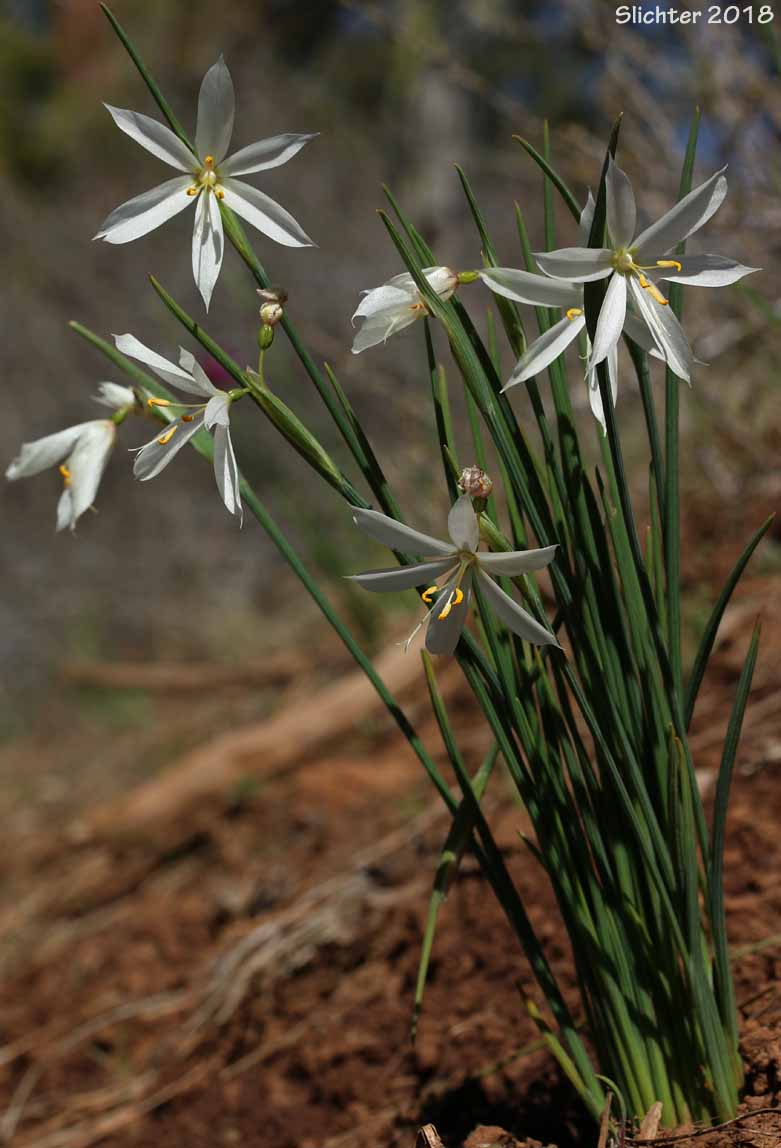
A grass widow blooming at left atop Bickleton Ridge in the Simcoe Mountains Unit of the Klickitat Wildlife Area..........May 7, 2017.The photo at right shows an unusual white-tepaled form of grass widow as seen on scablands
in the Simcoe Mountains Unit of the Klickitat Wildlife Area..........April 20, 2018.
 -
-  -
- 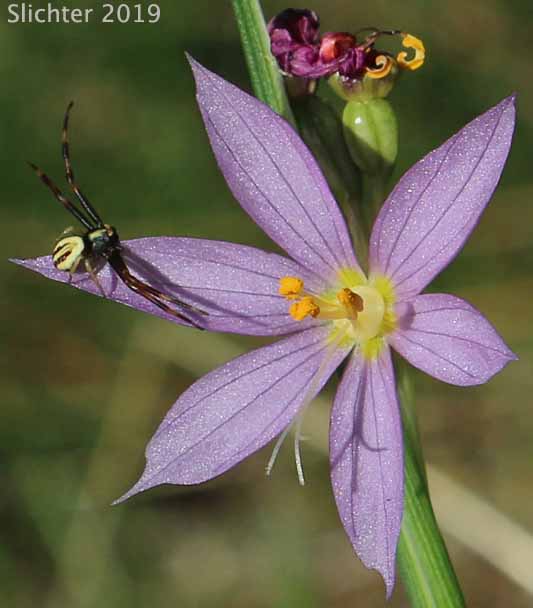
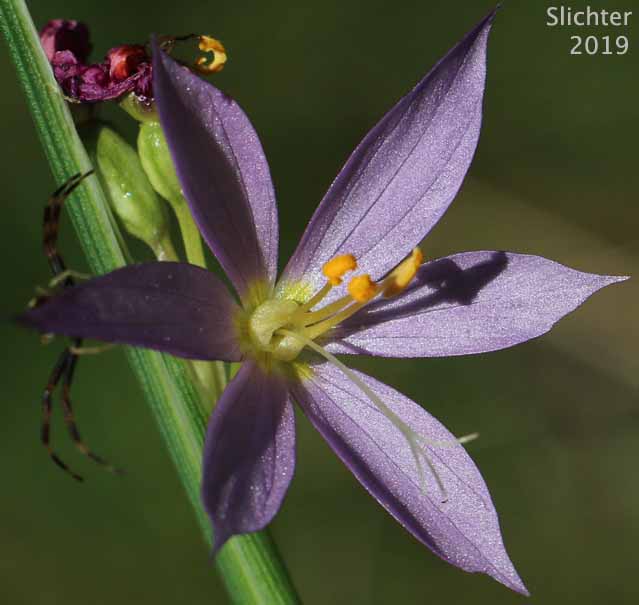
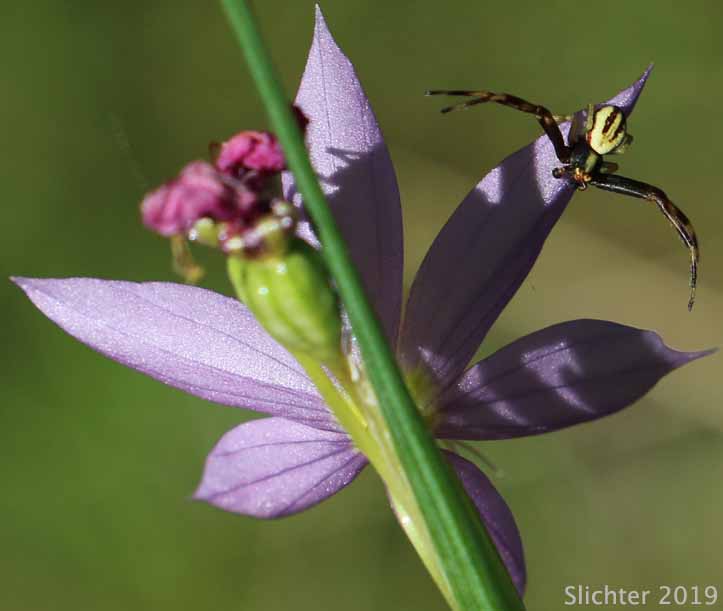
A few late-blooming grass widows (with crab spider) were spotted along the Headquarters and Stubblefield Trails, Turnbull National Wildlife Refuge......May 8, 2019.
 -
-  -
- 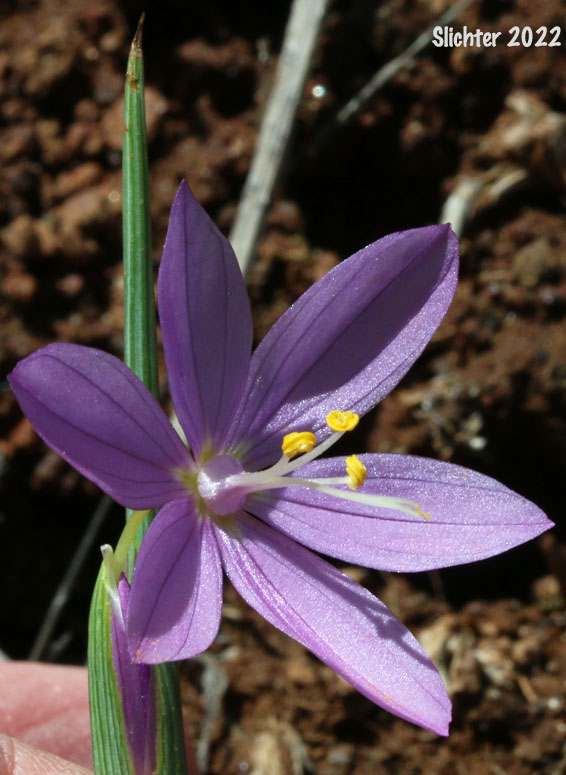
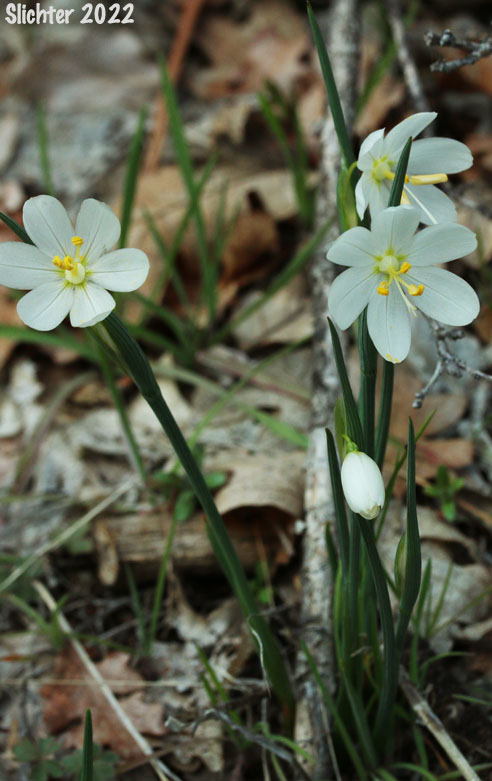
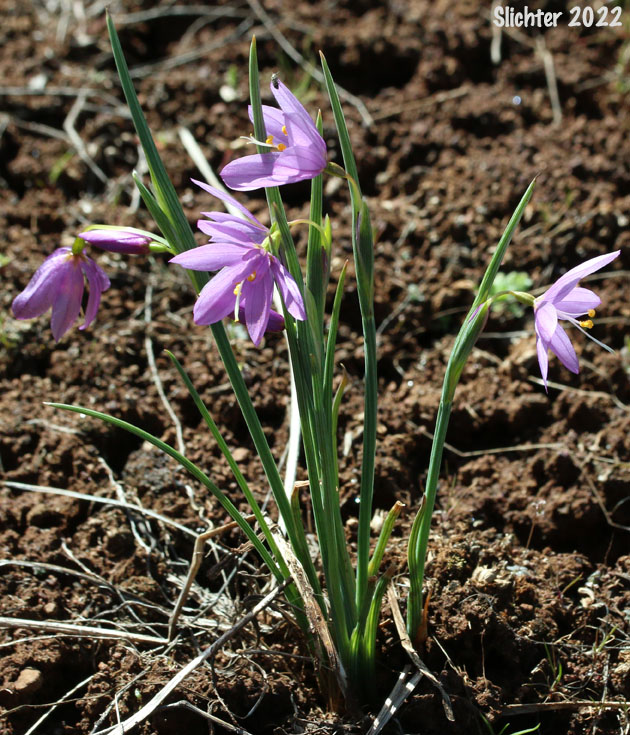
Inflated grass widow spotted along a jeep road near the boundary betwee BLM and Simcoe Mountains Unit of the Klickitat
Wildlife Area lands about one mile SE of the Box Canyon Road trailhead........April 1, 2022.
Paul Slichter